Epic existential dilemma haunts the ANC
Article first published in City Press on 29 March 2026
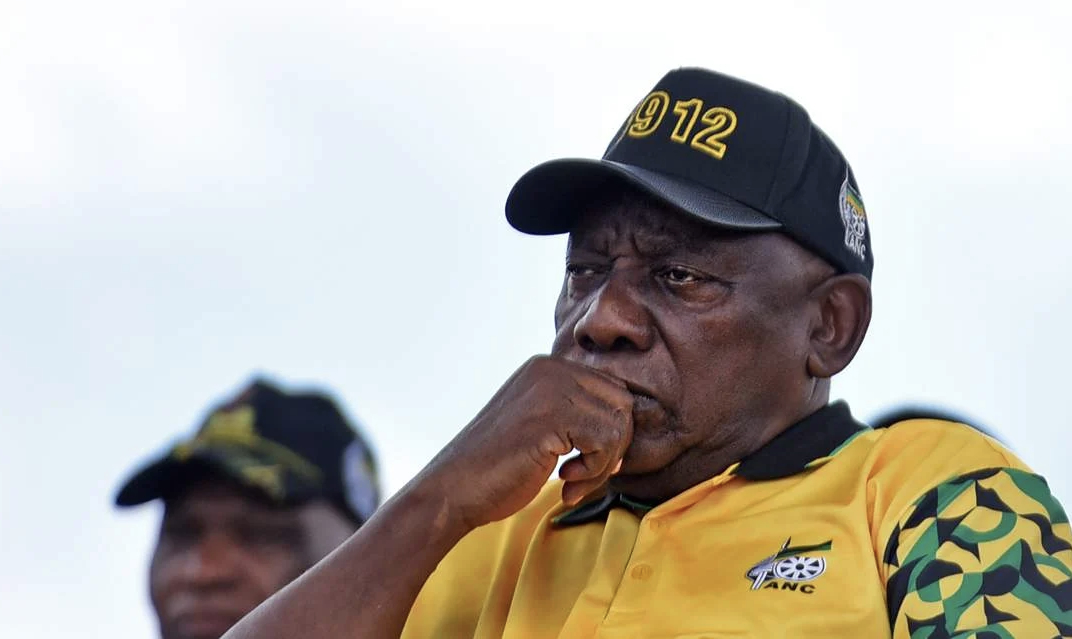
The demise of a dominant organisational brand is never sudden. It is a creeping process of deterioration and regression over time. But it can be anticipated and mitigated, provided the leaders of such organisations possess the necessary skills in complexity thinking and strategic foresight to properly analyse all the key operating factors and their potential outcomes in a dynamic operating context.
When the ANC won the first democratic elections in 1994, it was at the height of its electoral dominance and territorial penetration.
It was also propelled by powerful tailwinds of popular global and domestic support that celebrated the fall of the violent apartheid regime, which the UN also classified as a crime against humanity.
This popular wave of support derived its energy and momentum from a moral conviction that inspired its commitment to lead the liberation struggle against colonisation and violent oppression by the apartheid regime and its racist policies. It was this single shared purpose and objective that served as the glue that harnessed and consolidated the massive and broad social movement support that rewarded the ANC and its alliance partners with a landslide victory of 62.65% of the vote in 1994. This margin of support was increased to 66.35% in 1999 under Thabo Mbeki. But the trend peaked at 69.70% in the 2004 elections.
After 10 years in the democratic transition phase, the excitement and euphoria from achieving democratic freedom were bound to wear off and be replaced by the reality of the slow pace of change and transformation in the context of high expectations by an impatient populace throughout the country.
The emerging shift in the post-apartheid political landscape was traumatic and challenging for a mass social movement organisation that was established to lead the liberation struggle, as it must now transform itself into a party in government in the democratic era.
The complexity of this transformation resonates with Otto Kirchheimer’s concept of “catch-all party” and explains the challenges of mass-based parties as they navigate change from ideologically driven organisations into entities that seek voter support across all social segments.
Such a development also provides fertile ground for the emergence of regional and niche parties. Many post-liberation parties are confronted with this dilemma.
The emerging shift in the post-apartheid political landscape was traumatic and challenging for a mass social movement organisation that was established to lead the liberation struggle, as it must now transform itself into a party in government in the democratic era.
The complexity of this transformation resonates with Otto Kirchheimer’s concept of “catch-all party” and explains the challenges of mass-based parties as they navigate change from ideologically driven organisations into entities that seek voter support across all social segments.
Such a development also provides fertile ground for the emergence of regional and niche parties. Many post-liberation parties are confronted with this dilemma.
Image: A template for the demands that people wanted to include in the Freedom Charter.
From the book: 30 Years of the Freedom Charter by Raymond Suttner and Jeremy Cronin

Critically, such a transformation requires renewal and development of a new organisational structure that is better tailored for success in the new milieu.
However, the ANC has astonishingly been stuck in its ideological dogma of the National Democratic Revolution (NDR) for over two decades in the democratic transition period.
The NDR was inspired by the Freedom Charter that was adopted in 1955. It remains the embodiment of the principles that inspire its political philosophy and ideal for social transformation. And yet, very few of their loudest and ardent members and supporters can interpret and explain what practical change the NDR will make to the immediate needs of its ordinary voters and supporters!
What is more baffling is that the ANC continues to publicly commit itself to an aggressive implementation of the NDR and the Freedom Charter, as President Cyril Ramaphosa has frequently chanted on public platforms, and yet they have adopted neoliberal policies that have practically protected and sustained the apartheid-inherited economic structure and legacy for over two decades. Often in his euphoric mood, he enthusiastically threatens that radical transformation shall be implemented “whether you like it or not”.
And yet what is missing is a well-articulated mission and strategy for economic liberation! This neoliberal position compels the ANC to shift from the centre left to the centre right of the political spectrum.
The critical voting electorate straddles the centre right, and it is where the middle class that normally bothers to vote is located.
This segment of the electorate typically responds to consensus messaging founded on pragmatism rather than far-left ideological rhetoric.
A concurrent implication of shifting to this segment naturally manifests in declining party following and membership numbers.
This is exactly what the ANC has come to experience and acknowledge but fails to understand.
This declining voter support culminated in its loss of majority power in parliament in May 2024 and demonstrates a failure to interpret and respond appropriately to the significant demographic shifts that have occurred in the new multiparty political environment since 1994. It is an indication of profound lack of strategic foresight and failure of leadership.
A deeper and more toxic factor that is causing haemorrhage to support for the ANC is the corruption-linked patronage that has become a culture in the party. Patronage became a glue that was adopted to increase and harness
membership in the post-liberation competitive political playing field.
The 2024 national election outcome has now placed South Africa firmly in the coalition era.
The ANC will not exceed the 39% ceiling level in the next national elections, and as it continues to misread the mood of the electorate, there are reasonable prospects that it will hover around 30% to 35% voter share.
The challenge the country faces is that, unlike countries like Germany, South Africa does not have a binding coalition governance framework that must guide the formation of a working government after elections.
Efforts to achieve this goal have been erratic and tentative. We cannot avoid negotiating such a governance framework any longer because no party will hold majority power in South Africa.
The ANC leadership must internalise this reality and genuinely commit itself to aggressively renew the party or face an existential threat.