The ANC is on a road to perdition
Article first published in City Press on 14 January 2026
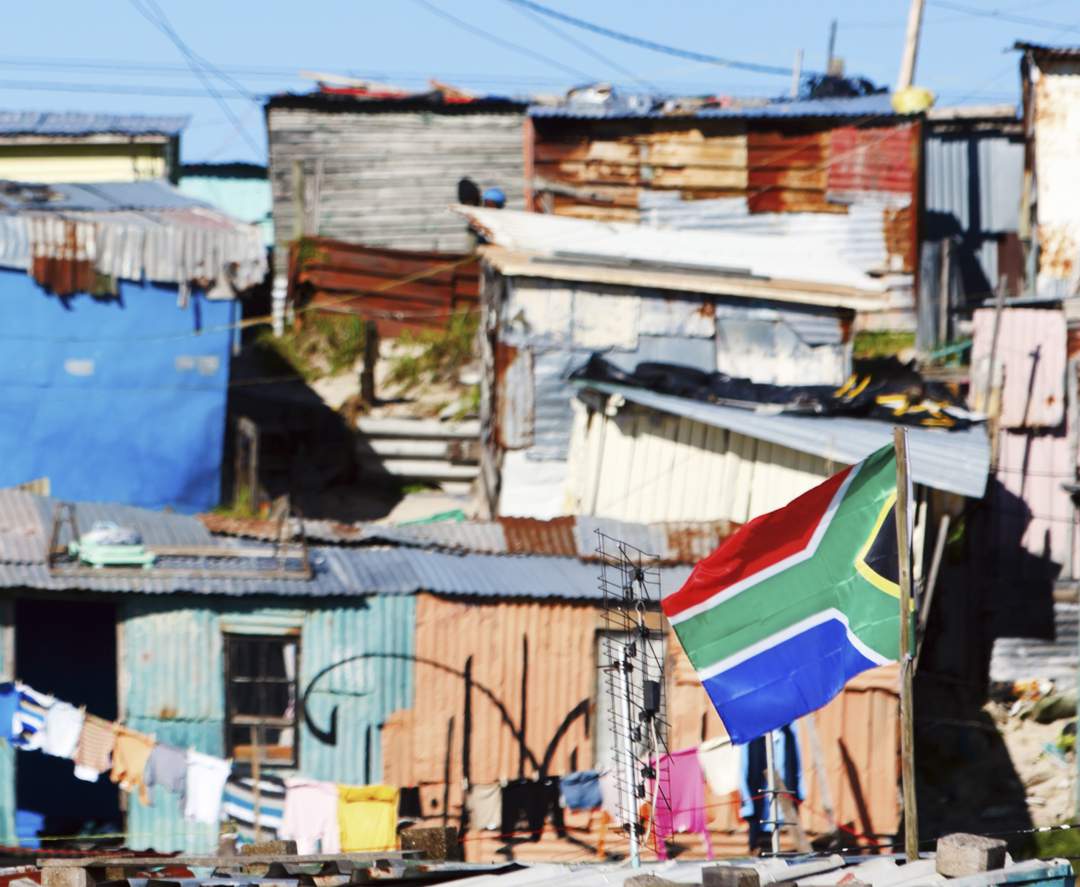
The ANC was broadly accepted as a leader of the inclusive national movement behind the shared purpose of ending apartheid in the liberation struggle era.
The glue and shared goal in the pre- democracy period was the pursuit of an end to apartheid and the establishment of a democratic society grounded in social justice and human rights, as enshrined in the Constitution.
However, the articulation of what must be done to achieve that shared objective since 1994 has been elusive.
The ANC-led tripartite alliance, which was formed and inherited the power to govern, has never agreed on that shared objective.
What was immediate and urgent after assuming power was to consolidate the institutions of revenue collection and the Treasury to enable implementation of a comprehensive social welfare upgrading to combat poverty and tackle inherited apartheid debt.
What has been lacking is a comprehensive set of responsive and executable strategies and plans to achieve the shared objective beyond the rhetoric of visionary wishes in the annual ANC statements that flow from its national conferences and the national policy conferences.
This is not surprising because the alliance has always struggled to bridge the ideological differences that set them apart in the democratic era.
The National Development Plan 2030 is one visionary statement that has failed to be objectively accepted and embraced by the tripartite alliance as a template for developing actionable strategies.
The multiplicity of alternative and competing plans that have subsequently been adopted by different administrations is testimony to the big ideological differences that have plagued the alliance.
The most important macro-economic challenge for the governing alliance has been a lack of consensus on credible strategies to resolve the structural challenges of unemployment and inequality.
As a result, the privileged and wealthy enclave that was objectively created under apartheid continues to exist side by side with the poor and much larger counterpart that exists in abject poverty.
This is not surprising, as the alliance was never a suitable operating structure for governance, as I have argued in my published opinion pieces.
But in a clear strategic contradistinction, the ANC failed to understand that the key driver for a successful execution of the power to govern was a compelling mandate to urgently build a capable state system to deliver public services that were excluded from the majority in the apartheid era.
In contrast, they set out to capture state organs at all their operating levels for the purpose of implementing and feeding their expanding network of patronage and elite party interests.
In the absence of a clear and shared national objective as aforementioned, the ANC opted to adopt a political philosophy of a “Party State” as a binding glue for unity around the party.
What they have failed to understand, however, is that such a network of patronage must necessarily be supported by corrupt practices and nourished by illicit fund inflows from their deployed cadres which they have objectively deployed at all key decision- making positions they could control within the state system.
This self-destructive route was made necessary by failure to agree on a shared national objective and development pathway to achieve the future envisioned in the Constitution.
As I have argued and accurately predicted in Scenario 2030 for South Africa, which I developed in 2016 and published in Chapter 9 of “Fit for Purpose, 2018”, the ANC was destined to lose power in 2024 and form the coalition that was so accurately foreseen in that scenario.
The ANC is clearly and irreversibly on a road to perdition and extinction. Their much- publicised renewal plan will remain nothing more than a fanciful wish.
This is because the ANC cannot divorce itself from the corruption-driven patronage under their “Party-State” culture and philosophy. They have no capacity to repent. A new ANC can only emerge from its ashes.
But I have a deep and unyielding faith in the future of South Africa.